
Understanding Trickle Vents: What They Are and Why They Matter

Welcome to our guide on trickle vents, an often overlooked yet essential component of modern buildings’ ventilation systems. In this blog, we’ll delve into the world of trickle vents, exploring their purpose, functionality, and significant role in maintaining a healthy and comfortable indoor environment. Trickle vents may seem unnoticeable, but their impact on indoor air quality and overall well-being is great.
We’ll start by understanding what trickle vents are and explaining their purpose within windows and doors. Then, we’ll discuss the importance of good indoor air quality and how insufficient ventilation can lead to various issues. Moreover, we’ll address common misconceptions and concerns surrounding trickle vents, offering reassurance and alternative solutions for homeowners. Join us as we explore the role of trickle vents in creating healthier and more comfortable living spaces.
What Are Trickle Vents?
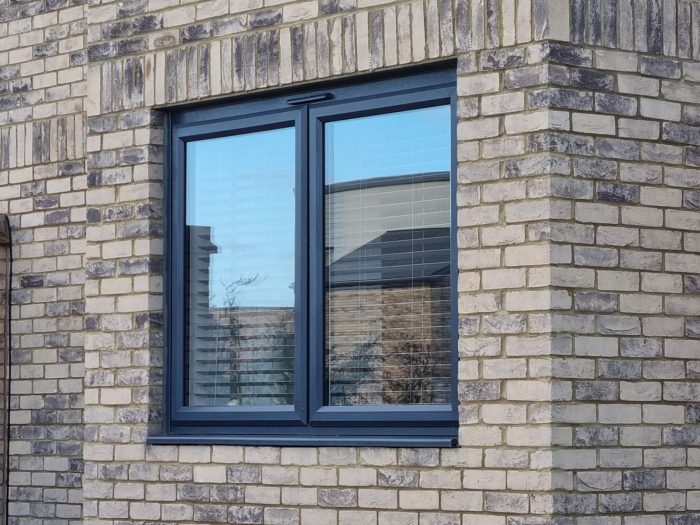
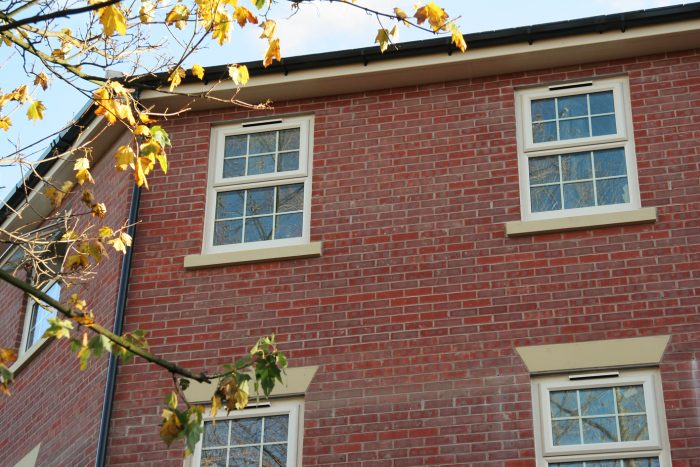
Trickle vents are small, adjustable openings typically integrated into windows or doors to promote controlled airflow between a building’s interior and exterior. Air vents are essential for homes and buildings as they allow fresh air to flow in while keeping everything secure. Trickle vents allow a continuous, gentle trickle of fresh air into the building, even when windows or doors are closed. This controlled airflow helps to fill indoor air with fresh, oxygen-rich air from the outside.
Trickle vents are strategically positioned within windows or doors to maximise airflow while minimising drafts and maintaining aesthetic appeal. They are often integrated into the frame or sash of the window or door, discreetly blending in with the overall design.
One key role of trickle vents is to prevent condensation and stale air buildup indoors. Allowing a constant exchange of air helps to remove excess moisture, odours, and pollutants from the indoor environment. This helps prevent condensation on windows, walls, and other surfaces, which can lead to mould growth and damage over time. Additionally, the continuous flow of fresh air helps to create a healthier indoor environment.
The Importance of Proper Ventilation:
Good indoor air quality (IAQ) is essential for optimal health and well-being. Poor IAQ can lead to various health issues. Here are some key points to consider:
Respiratory Health: Clean air is crucial for respiratory health. Poor IAQ can heighten respiratory conditions. Irritants like dust, pollen, mould, and indoor pollutants can trigger or worsen respiratory symptoms, negatively impacting health. Therefore, ensuring that the air we breathe indoors is clean. This is essential to maintaining good respiratory health.
Allergen Accumulation: Inadequate ventilation allows allergens like dust mites, pet dander, and pollen to accumulate indoors. These allergens can trigger allergic reactions in susceptible individuals. Over time, continuous exposure to allergens can worsen allergic conditions and compromise overall health. Good indoor ventilation is crucial to minimise allergens and promote a healthy environment.
Mould Growth: Excess moisture in indoor environments can cause mould to grow, especially in areas with poor ventilation. Mould thrives in damp, poorly ventilated spaces such as bathrooms, kitchens, basements, and attics. Exposure to mould can cause respiratory problems, allergic reactions, and other health issues. In severe cases, prolonged mould exposure can cause serious respiratory infections and other health complications.
Indoor Pollutants: Indoor air can potentially contain a range of pollutants. These pollutants can come from various sources, such as building materials, furniture, cleaning products, and other household items, negatively affecting indoor air quality (IAQ). Prolonged exposure to these indoor pollutants can impact your health.
Benefits of Trickle Vents:

Trickle vents ensure continuous, controlled airflow to maintain a healthy indoor environment. Here are the benefits of Trickle Vents:
Continuous Ventilation: Trickle vents allow a steady flow of fresh air into the building, even when windows or doors are closed. This constant ventilation helps to remove stale air, moisture, and indoor pollutants, promoting better IAQ.
Moisture Control: Trickle vents push airflow and help reduce excess moisture buildup indoors. Controlling moisture prevents condensation on windows and walls, which can lead to mould growth and related health problems.
Air Quality: Ensuring good air quality is essential for maintaining good health. A discreet trickle vent can help limit airborne toxins and reduce the risk of associated health problems. Excess moisture in your home can lead to hazardous substances like mould growth in damp and cold environments. This can further heighten the health risks associated with poor air quality.
Security Benefits: One notable benefit of trickle vents is maintaining proper ventilation without compromising safety. Fresh air circulation is essential for maintaining a healthy indoor environment. Trickle vents allow occupants to create airflow without leaving windows wide open, making the home more secure.
Understanding Regulations
Building Regulations Part F in the UK focuses on ventilation, ensuring acceptable air quality for occupants’ health. It sets out requirements for the design and installation of ventilation systems, including natural and mechanical ventilation requirements. Part F promotes air circulation and exchange to prevent issues like condensation, mould growth, and indoor air pollutants. It outlines standards for ventilation rates, air quality, and noise control to create comfortable and healthy indoor environments. Part F compliance is crucial for architects, builders, and property owners to ensure proper building ventilation, enhancing occupants’ comfort and safety.
To find out more about Part F of the Building Regulations, click here
Addressing Common Concerns and Misconceptions
Misconceptions and concerns about trickle vents, such as security risks or noise intrusion, are common among homeowners. However, modern trickle vents are designed to address these concerns effectively, reassuring homeowners who may be hesitant about installing them. Here’s how:
Noise Intrusion:
Concern: Homeowners may be concerned that trickle vents could allow outside noise to enter their homes, leading to disruptions and discomfort.
Reassurance: Trickle vents are designed with acoustic seals and insulation to minimise noise intrusion while allowing adequate ventilation. Advanced designs and materials help reduce external noise transmission, ensuring a quieter and more peaceful indoor environment. With adjustable airflow settings, these vents can be easily adjusted to suit your needs.
Alternative Solutions: For homeowners who remain hesitant about installing trickle vents, there are alternative solutions available to address ventilation needs:
- Mechanical Ventilation Systems: Whole-house mechanical ventilation systems, such as heat recovery ventilation (HRV) or energy recovery ventilation (ERV) systems, can provide controlled ventilation without the need for trickle vents. These systems exchange indoor and outdoor air while recovering heat or energy from the outgoing air, improving energy efficiency.
- Passive Ventilation Strategies: Passive ventilation strategies, such as natural ventilation through operable windows and strategic building design, can also help promote airflow without relying on trickle vents. Adequately placed windows, vents, and air ducts can enable natural ventilation while minimising security risks and noise intrusion.

Conclusion
In conclusion, understanding the importance of trickle vents in maintaining healthy indoor environments is crucial for homeowners and building occupants. Trickle vents play a significant role in promoting good indoor air quality, preventing issues like mould growth, allergen accumulation, and indoor pollutants. By ensuring continuous, controlled airflow, trickle vents enhance comfort, energy efficiency, and overall well-being. Despite common misconceptions, modern trickle vents effectively address security risks and noise intrusion, reassuring homeowners.
For those considering window replacements or seeking further guidance on ventilation solutions, don’t hesitate to contact us. Our team is here to assist you and answer any questions you may have. Contact us today to learn more and take the first step towards creating a healthier, more comfortable living environment for you and your family.
Comments are closed here.